Top 5 Indian Desserts to Try in Saudi Arabia | Mumbai Cuisine’s Sweet Recommendation
When you live in Saudi Arabia and crave a touch of home, few things can comfort you like a spoonful of a warm Indian dessert. Sweet, aromatic, and crafted with love, Indian sweets are more than just food. They are moments of nostalgia, celebration, and connection.
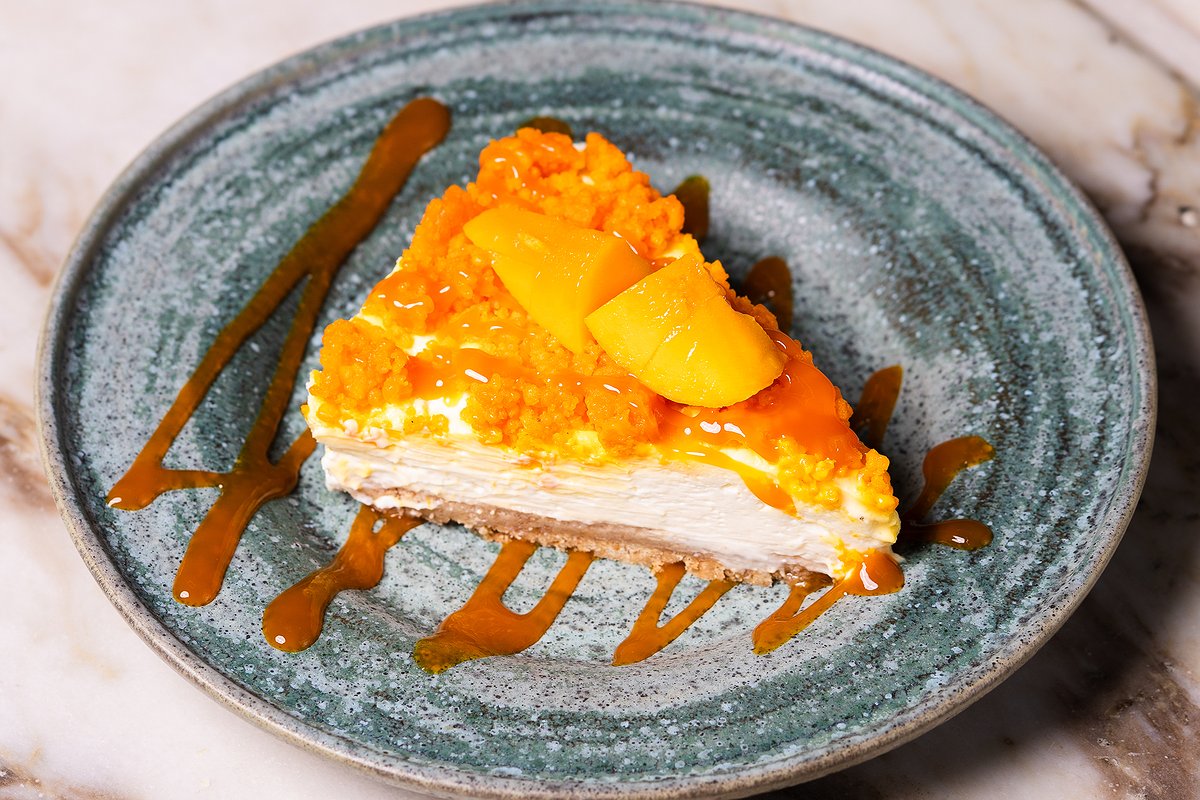
I’ve visited Mumbai Cuisine, a place that brings authentic Indian Flavors to Saudi Arabia, and I can tell you this, their desserts taste like stories told through sugar and saffron. In this blog, I’ll take you through the top 5 Indian desserts you must try in Saudi Arabia and explain what makes each one special.
What Makes Indian Desserts So Loved Worldwide?
Indian desserts are not just about sweetness, they are about balance, aroma, and texture. Each sweet has a unique story, often passed down for generations. The blend of ghee, milk, cardamom, saffron, and sugar forms the soul of Indian mithai. Whether it’s a festive Diwali platter or a casual post-meal indulgence, every dessert holds meaning.
In Saudi Arabia, where food traditions are rich and diverse, Indian sweets have found a beautiful place. Restaurants like Mumbai Cuisine serve them not just to Indians but to locals and expats who’ve fallen in love with their richness.
Which Indian Dessert is Perfect for Festivals in Saudi Arabia?
When it comes to celebrations, Gulab Jamun always takes the spotlight.These golden, syrup-soaked dumplings made of milk solids and flour are deep-fried until soft and then soaked in rose-flavoured sugar syrup. The first bite melts instantly, filling your mouth with warmth and sweetness.
At Mumbai Cuisine, the Gulab Jamun isn’t overly sweet, it’s perfectly balanced. Served warm, it pairs beautifully with vanilla ice cream or just on its own. It’s the kind of dessert that brings people to the table even after they claim to be full.
What Should You Try If You Love Something Creamy and Cool?
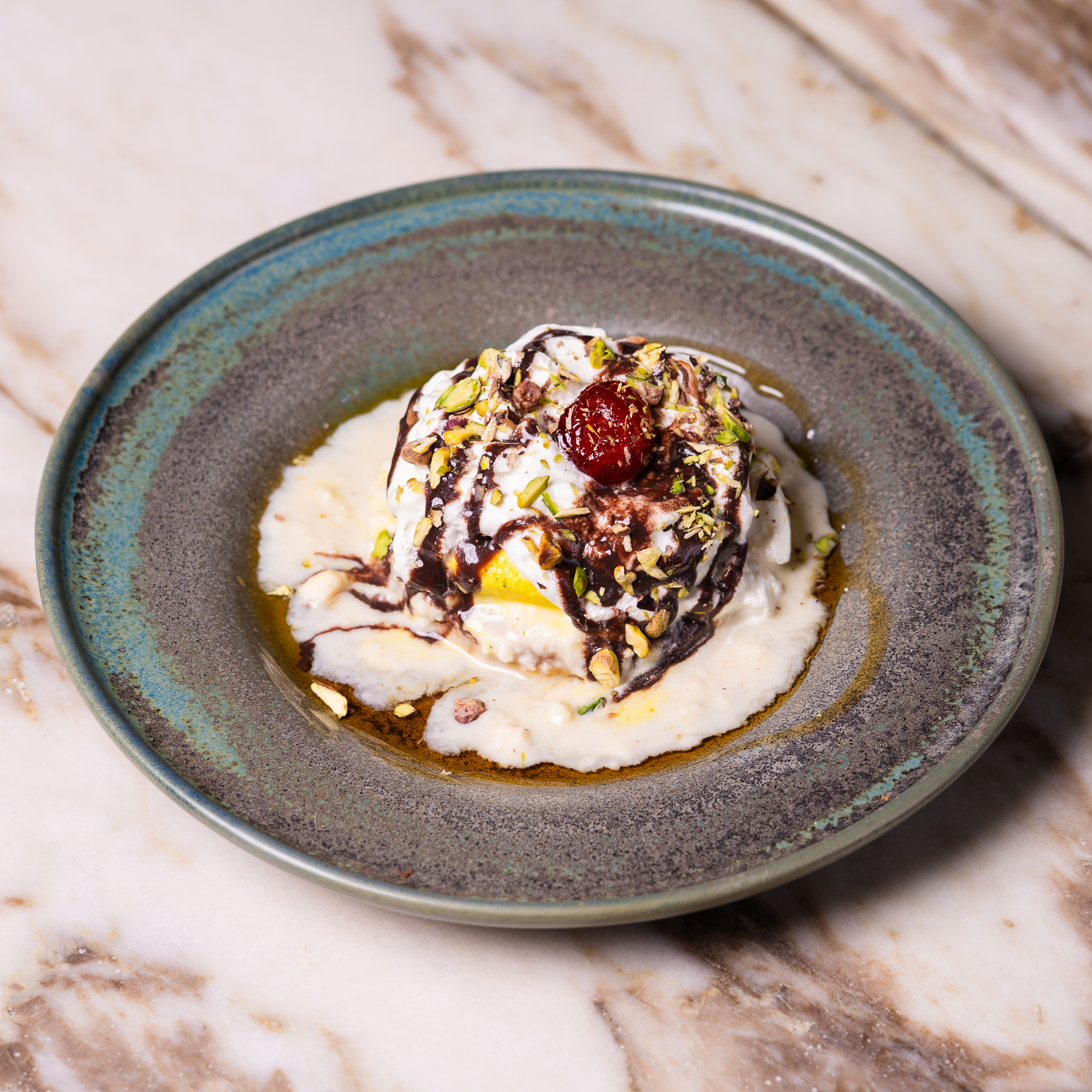
If you like your desserts rich yet refreshing, Rasmalai is your answer. Imagine soft, spongy cheese patties soaked in chilled, saffron-infused milk, that’s Rasmalai. The milk is thickened just enough to coat your palate with sweetness but not overwhelm it.
When I tried it at Mumbai Cuisine, it felt like a soft whisper of cardamom and rose, melting with every bite. It’s served cold, making it a perfect dessert for the Saudi climate. On warm evenings in Dammam or Riyadh, a bowl of Rasmalai can feel like a breeze from back home.
Is There a Traditional Dessert That Feels Homemade?
Yes, Kheer, or Indian rice pudding, is the answer to that craving for comfort. It’s simple, humble, and timeless. Made with slow-cooked rice, milk, and sugar, flavoured with cardamom and saffron, it’s often garnished with nuts like almonds and pistachios.
Kheer reminds me of family gatherings in India, mothers stirring it patiently, waiting for the milk toreach the right thickness. At Mumbai Cuisine, they replicate that same care. It’s not fancy, but it’s heartfelt.
In Saudi Arabia, where families love sharing large, hearty meals, Kheer fits right in. It’s often served after biryani or curries, acting as the perfect cooling finale to a spicy feast.
What Dessert Is Best for Someone Who Loves Street-Style Sweets?
If you’ve ever walked through the streets of Mumbai, the smell of Jalebi frying in ghee is unforgettable. These spiral-shaped sweets are crispy on the outside, syrupy inside, and have that beautiful contrast between crunch and sweetness.
In Saudi Arabia, Jalebi has become a popular evening snack during Ramadan. Many locals enjoy it with tea after iftar. At Mumbai Cuisine, they serve it fresh, golden, glossy, and warm. One bite, and you understand why it’s addictive. It’s that rare dessert that satisfies both the craving for texture and taste.
Is There a Modern Indian Dessert That Combines Tradition and Trend?
That would be Gajar Halwa, carrot pudding made the traditional way, yet so versatile it fits both classic and modern menus.
Grated carrots are slow-cooked with milk, ghee, and sugar until they turn soft and rich. The aroma of cardamom fills the air, and a sprinkle of cashews adds the perfect finish.
What makes it special in Saudi Arabia is how chefs at Mumbai Cuisine present it, warm, buttery, and often paired with a scoop of ice cream. It’s indulgent, familiar, and luxurious all at once.
Gajar Halwa isn’t just for winter anymore; it’s enjoyed year-round. It carries that homely touch but also appeals to a modern palate that values comfort with sophistication
Why Are Indian Desserts So Popular in Saudi Arabia?
Saudi Arabia has always embraced diverse cuisines, and Indian food, in particular, has deep roots here. From street vendors to fine-dining restaurants, Indian Flavors have found love across generations.
But desserts hold a special place because they cross cultural lines. A Gulab Jamun or Kheer doesn’t need translation, it just needs a spoon. Locals appreciate the richness, the aroma of ghee, and the natural sweetness that differs from Western desserts.
Many Saudi families who visit Mumbai Cuisine tell me they love the way these sweets complement their own traditional desserts like basbousa or kunafa. Both share the same warmth, richness, and generosity that make food feel like home.
What Makes Mumbai Cuisine’s Desserts Stand Out?
I’ve tried Indian sweets at many places, but Mumbai Cuisine stands out for one reason, authenticity. They don’t try to reinvent every recipe. Instead, they perfect the basics. The desserts taste like something straight out of an Indian kitchen but with the quality and presentation that suits a Saudi dining experience.
Each dish reflects the essence of Mumbai, colourful, aromatic, and full of character. Whether you’re dining in Riyadh, Jeddah, or Dammam, you’ll find the same consistency and heart in every bite.
Where Can You Try These Desserts in Saudi Arabia?
You can find Mumbai Cuisine in several Saudi cities, known for serving authentic Indian food and sweets prepared by experienced chefs. Their dessert section alone is worth the visit.
Whether it’s a casual family dinner or a festive occasion, their sweets bring that nostalgic Indian charm to every table.
If you’ve been searching “best Indian desserts near me” or “authentic Indian sweets in Saudi Arabia,” this is your cue to visit.